
Designing the Future: Choosing the Right Architect in Jaffna for Your Dream Project
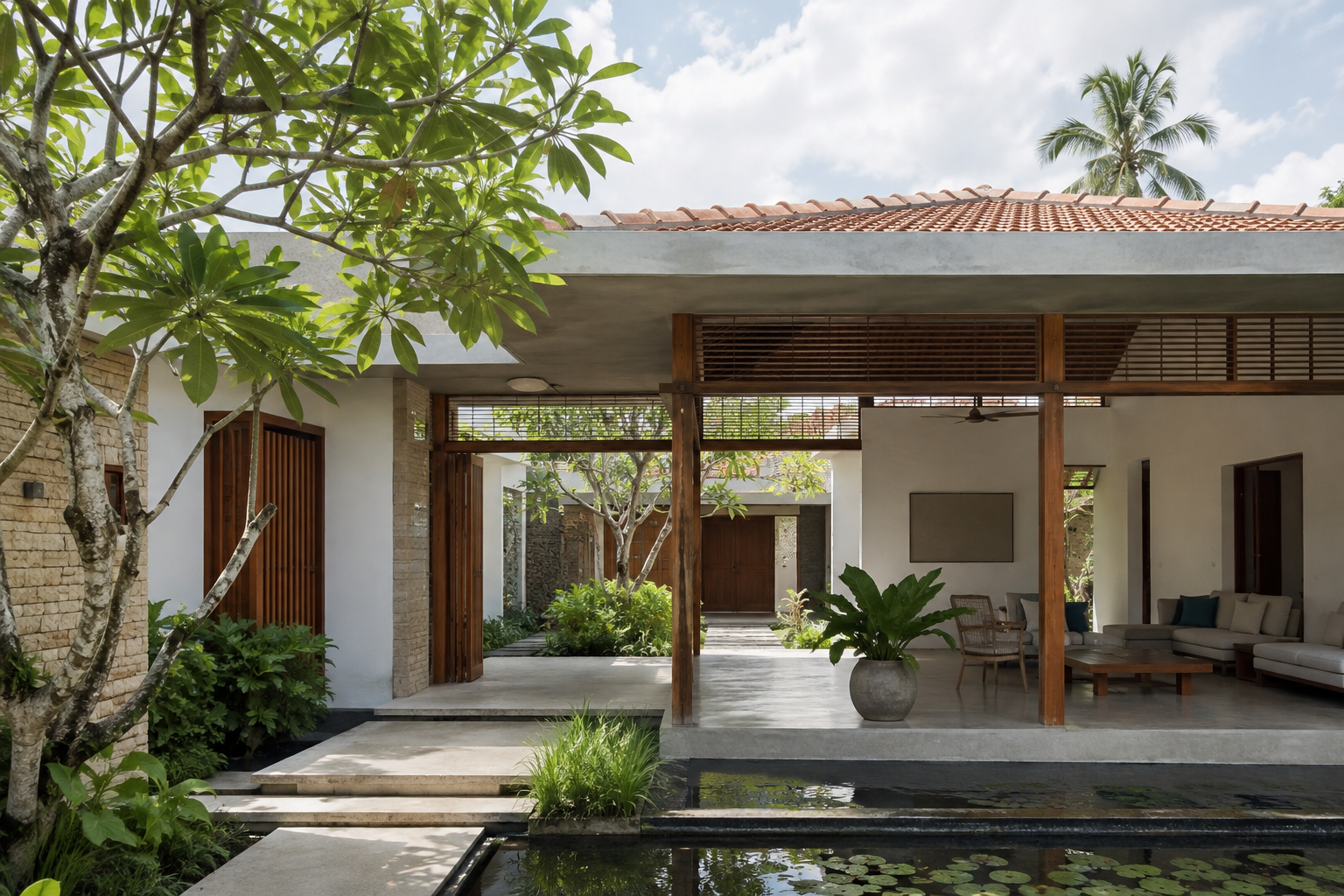 Jaffna is experiencing a new wave of architectural development, where its distinctive cultural heritage meets contemporary approaches to design and construction. For homeowners, developers, and businesses planning a project in the region, choosing the right architect in Jaffna can play an important role in creating a space that is functional, climate-responsive, visually distinctive, and aligned with local requirements.
From tropical design strategies and locally sourced materials to contemporary planning and sustainable technologies, the right architectural approach can transform a project while remaining sensitive to Jaffna’s unique cultural and environmental context.
Table of Contents
- The Architectural Renaissance of Northern Sri Lanka
- Key Qualities to Look for in an Architect in Jaffna
- Sustainable Practices in Modern Tropical Architecture
- Comparing Architectural Styles in Sri Lanka
- Collaborating with Saikat Ghosh Design Associates
The Architectural Renaissance of Northern Sri Lanka
Jaffna’s architectural identity is shaped by a distinctive combination of colonial influences, traditional Tamil architecture, regional materials, and contemporary design. As the city continues to evolve, new residential and commercial developments are creating opportunities to reinterpret these influences through a modern architectural lens.
Today’s homeowners and developers are increasingly looking for spaces that respect local character while incorporating contemporary requirements such as energy efficiency, smart technology, flexible layouts, and improved indoor comfort.
For architects working in Jaffna, this creates an opportunity to develop projects that respond to both local identity and modern lifestyles, rather than simply replicating international design trends.
To understand the wider standard of construction and design guidelines in the country, you can consult the official Sri Lanka Institute of Architects or explore global design trends on ArchDaily.
Key Qualities to Look for in an Architect in Jaffna
Finding the right architect is about more than comparing portfolios. A successful project requires an understanding of the site’s climate, materials, regulations, budget, and the needs of its users.
Local Climate Expertise
Jaffna’s tropical climate, high temperatures, seasonal rainfall, and strong solar exposure make climate-responsive design particularly important. Strategies such as cross-ventilation, solar shading, courtyards, appropriate building orientation, and controlled glazing can improve comfort while reducing dependence on mechanical cooling.
Material Knowledge
Understanding locally available materials can help architects develop designs that are both contextually appropriate and environmentally responsible. Materials such as Palmyra timber, local stone, clay tiles, and lime-based finishes can introduce regional character while contributing to a distinctive material palette.
Regulatory Knowledge
A professional architect should understand the relevant planning requirements, approvals, building regulations, and development processes involved in a project. Early coordination can help reduce delays and ensure that design decisions remain practical throughout the construction process.
Design and Project Coordination
Good architectural design extends beyond the initial concept. Coordination between architects, structural consultants, services consultants, contractors, and clients is essential for translating a design vision into a successful built environment.
Sustainable Practices in Modern Tropical Architecture
Sustainable architecture is becoming increasingly relevant for projects across Sri Lanka. In Jaffna, climate-responsive strategies can help improve indoor comfort while reducing long-term operational costs.Some effective approaches include:
- Rainwater Harvesting: Collecting and storing rainwater can help supplement water requirements during drier periods.
- Courtyard Planning: Courtyards can create shaded outdoor spaces while supporting natural ventilation and improving the connection between interior and exterior areas.
- Solar Energy: The region’s strong solar availability creates opportunities for integrating photovoltaic systems into residential and commercial projects.
- Passive Cooling: Building orientation, shading devices, ventilation, and appropriate material selection can reduce heat gain and improve thermal comfort.
- Landscape Integration: Native and climate-appropriate planting can provide shade, improve microclimates, and strengthen the relationship between architecture and its surroundings.
The most effective sustainable designs are not simply about adding technology. They begin with passive design principles that respond to the site’s climate and context.
Comparing Architectural Styles in Sri Lanka
Sri Lankan architecture offers a diverse range of design approaches. Understanding the characteristics of different styles can help homeowners and developers determine which direction is most appropriate for their project.
| Architectural Style | Key Features | Best Suited For |
|---|---|---|
| Traditional Dravidian-Vernacular | Courtyards, clay tile roofs, local timber pillars | Residential heritage homes |
| Tropical Modernism | Large glass panes, open plans, concrete finishes | Eco-resorts and boutique villas |
| Colonial Revival | High ceilings, wide verandas, arched doorways | Commercial spaces and heritage hotels |
Rather than choosing a style purely for its appearance, an architect can combine relevant elements from different traditions to create a design that responds to climate, context, function, and contemporary lifestyles.
Collaborating with Saikat Ghosh Design Associates
Choosing an architect is ultimately about finding a design partner who can translate your requirements into a thoughtful and buildable architectural solution.
Saikat Ghosh Design Associates approaches architectural and interior design through a combination of spatial planning, material expression, functionality, and contemporary design thinking. Their work explores the relationship between architectural character and the everyday experience of the people who occupy a space.
For projects that seek to combine contemporary architecture, climate-responsive design, and a strong sense of place, a considered design process can make the difference between simply constructing a building and creating an environment with lasting character.
Explore Saikat Ghosh Design Associates to learn more about their architectural and interior design approach and discuss your next project.