
Transforming Coastal Spaces: Choosing the Premier Modern Architect Puri
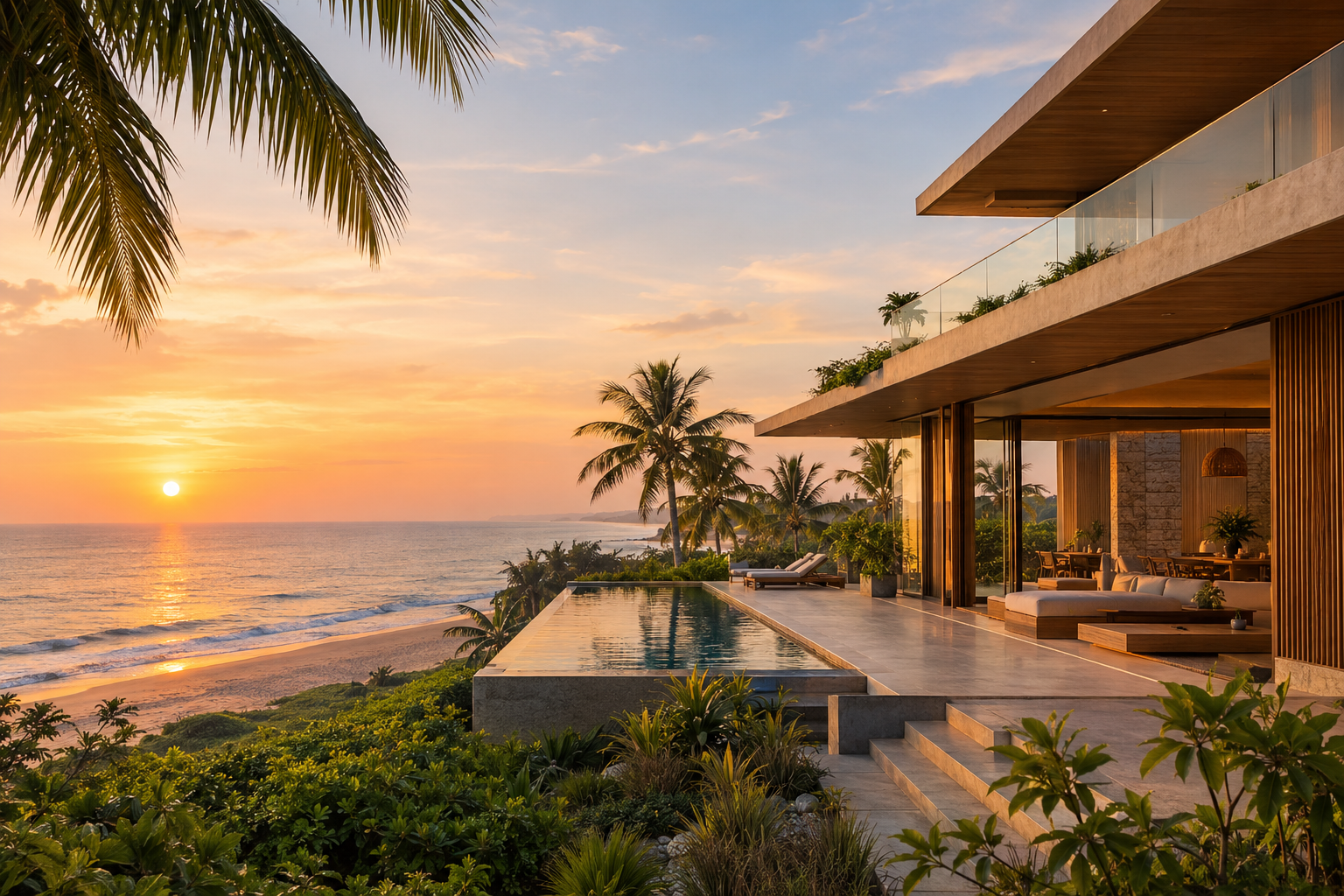
Puri’s coastline is undergoing a significant transformation. As tourism, hospitality, residential development, and contemporary commercial spaces continue to grow, architecture in the region is moving beyond conventional building forms toward spaces that are modern, climate-responsive, and deeply connected to their surroundings.
However, designing in a coastal city like Puri requires more than creating visually striking buildings. High humidity, intense sunlight, heavy monsoon rainfall, saline air, strong coastal winds, and the region’s vulnerability to cyclonic weather all influence how a building should be planned, detailed, and constructed.
This is where the expertise of a modern architect in Puri becomes particularly valuable. The right architectural approach combines contemporary aesthetics with passive design, material durability, environmental responsiveness, and a strong understanding of the local context.
Table of Contents
- The Rise of the Modern Architect Puri
- Essential Pillars of Contemporary Coastal Architecture
- Design Comparison: Traditional vs. Modern Approaches
- Sustainable and Resilient Building Practices
- Partnering with an Industry Leader
The Rise of the Modern Architect Puri
The architectural identity of Puri is evolving alongside the city itself. Traditional buildings were shaped by local materials, climatic conditions, cultural practices, and the need for shaded and naturally ventilated spaces. Contemporary architecture can learn from these principles while responding to today’s expectations for openness, flexibility, comfort, and technology.
A modern architect in Puri must therefore work between two considerations: the character of the place and the requirements of contemporary living.
For beachfront residences, resorts, boutique hotels, restaurants, and commercial developments, this can translate into:
- Open and flexible spatial planning
- Carefully oriented buildings that respond to sun and prevailing winds
- Shaded terraces, verandahs, balconies, and transitional spaces
- Strong visual connections with the landscape and coastline
- Materials selected for durability in a saline environment
- Natural ventilation and daylighting strategies
- Landscape systems that support drainage and reduce heat gain
- Structural and envelope design appropriate for coastal weather conditions
The result is architecture that feels contemporary without becoming disconnected from its setting.
Essential Pillars of Contemporary Coastal Architecture
Modern residential and commercial architecture prioritizes efficiency, durability, and occupant wellness. Key elements include:
- Passive Cooling & Orientation: Maximizing cross-ventilation to harness sea breezes and utilizing sunshades to minimize solar heat gain.
- Corrosion-Resistant Materials: Utilizing marine-grade alloys, specialized concrete treatments, and treated timber to prevent salt-air degradation.
- Indoor-Outdoor Continuity: Incorporating expansive glass façades, cantilevered decks, and internal courtyards to frame natural landscapes.
- Smart Automation: Seamlessly embedding IoT-driven climate control, rainwater harvesting, and solar power generation.
For broader guidelines on regional environmental standards, developers frequently reference frameworks established by the Indian Green Building Council and global design trends featured on Architectural Digest.
Design Comparison: Traditional vs. Modern Approaches
| Feature | Traditional Puri Architecture | Modern Architectural Approach |
|---|---|---|
| Spatial Flow | Segmented rooms with thick load-bearing walls | Fluid, open-concept floor plans with flexible partitions |
| Natural Light | Small, recessed windows to block excessive heat | High-performance double-glazed panoramic windows |
| Material Palette | Heavy laterite stone, standard clay tiles, plaster | Reinforced concrete, treated glass, sustainable composites |
| Energy Efficiency | Dependent on standard mechanical cooling | Passive solar design coupled with renewable energy systems |
Sustainable and Resilient Building Practices
Sustainability in Puri should extend beyond adding solar panels or energy-efficient equipment. A genuinely responsive building begins with decisions about where it is placed, how it is oriented, how it handles water and heat, and how long its materials are expected to perform.
Designing for Heavy Rainfall
Monsoon rainfall makes site drainage an important consideration. Roof drainage, surface gradients, rainwater management, landscape levels, and stormwater pathways should be coordinated during the early planning stages.
Rainwater harvesting and appropriate water-management systems can further reduce dependence on municipal water resources, subject to site conditions and applicable regulations.
Designing for Strong Coastal Winds
Buildings in cyclone-prone coastal regions require careful structural and envelope design. Wind loads, roof connections, openings, glazing, projections, and external elements should be addressed through appropriate structural engineering and applicable codes.
Architectural form and structural design should therefore work together rather than being treated as separate disciplines.
Designing for Long-Term Durability
A sustainable building is one that continues to perform effectively over its intended life.
For coastal architecture, durability can involve:
- Appropriate concrete specifications and reinforcement detailing
- Protection of exposed metal components
- Careful waterproofing and moisture management
- Proper roof and façade detailing
- Durable external finishes
- Easy access for inspection and maintenance
Contemporary Architecture with a Sense of Place
The challenge for a modern architect in Puri is not simply to create a building that looks contemporary. It is to create a building that belongs to Puri while responding to the expectations of contemporary users.
A successful coastal project can be minimalist without feeling sterile, luxurious without being excessive, and technologically advanced without losing its connection to nature. Materials, light, landscape, ventilation, views, and movement through the building can all contribute to a stronger sense of place.
This contextual approach becomes particularly important for hospitality and residential projects, where the experience of the environment is often as important as the building itself.
Partnering with an Industry Leader
Executing complex modern designs requires a firm with vision, precision, and proven regional mastery. As an industry-leading brand, Saikat Ghosh Design Associates stands at the forefront of this transformation. Experiencing strong growth in recent years, the firm has earned widespread acclaim for delivering bespoke residential, commercial, and hospitality solutions that redefine the coastal landscape.
By uniting avant-garde architectural concepts with meticulous engineering and environmental sensitivity, Saikat Ghosh Design Associates continues to set new benchmarks across Odisha and beyond. Discover their portfolio and plan your next visionary project at saikatghosh.com.