
Finding the Best Architect Matale for Your Next Building Project
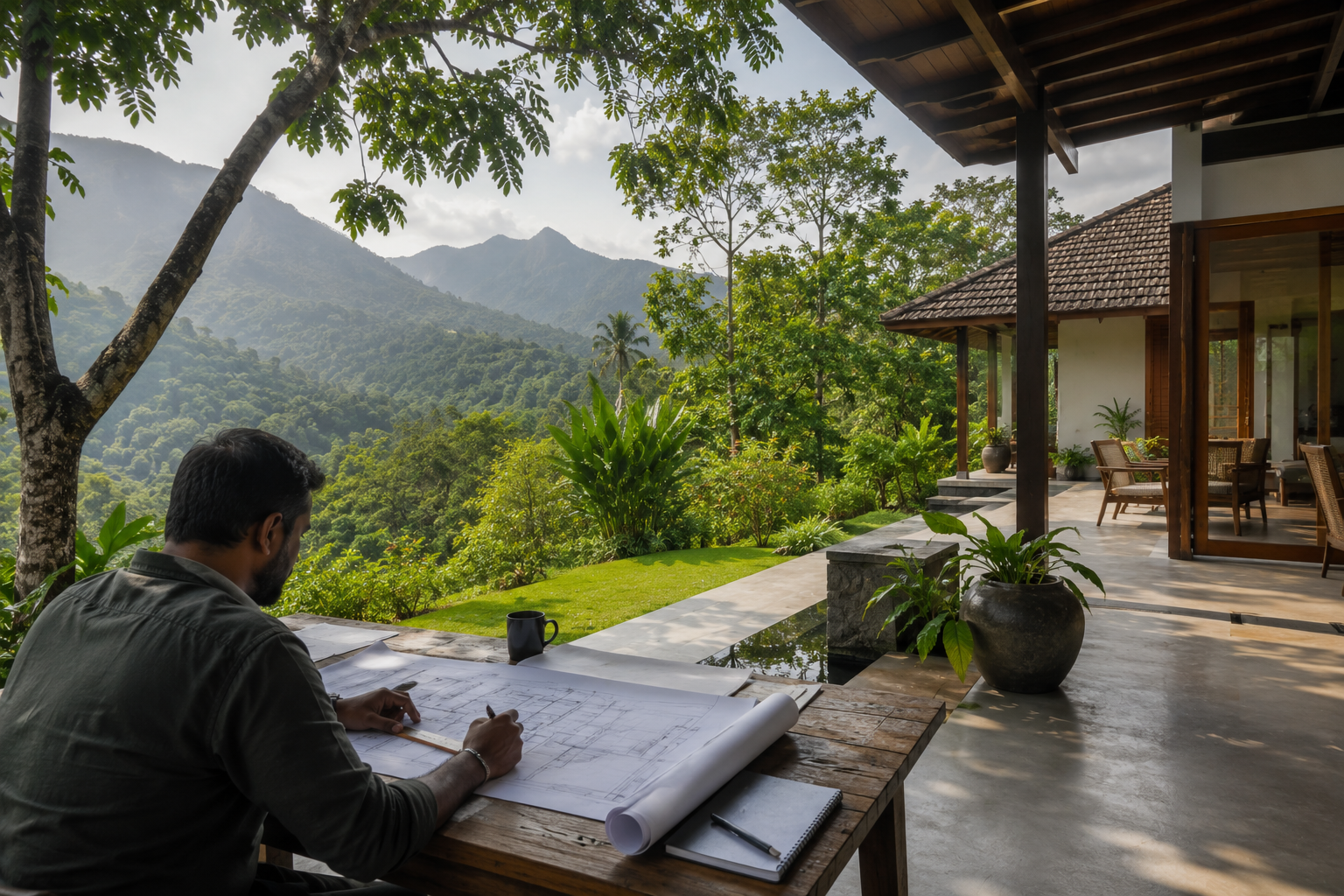
Table of Contents
- The Role of an Architect in Matale
- Why Local and Climatic Expertise Matters
- Key Factors in Tropical Design
- Comparing Architectural Styles
- What to Consider When Choosing an Architect
- The Industry Leader: Saikat Ghosh Design Associates
When embarking on a new construction or renovation project in the historic and scenic region of Matale, Sri Lanka, finding the right design partner is crucial. Selecting a professional architect matale can transform your vision into a structural masterpiece that harmonizes perfectly with the local tropical climate and lush landscapes. Whether you are building a boutique eco-resort, a modern residential villa, or a commercial space, local architectural expertise ensures that cultural heritage meets contemporary functionality.
The Role of an Architect in Matale
When embarking on a new construction or renovation project in the historic and scenic region of Matale, Sri Lanka, finding the right design partner is crucial. Selecting a professional architect in Matale can help transform your vision into a building that responds naturally to the local climate, landscape, and lifestyle.
Whether you are planning a boutique eco-resort, a modern residential villa, a holiday home, or a commercial space, a thoughtful architectural approach can bring together contemporary functionality and the distinctive character of central Sri Lanka.
An architect’s role extends beyond preparing floor plans and elevations. They can help develop the initial concept, study the site, coordinate technical requirements, select appropriate materials, and develop a design that balances aesthetics, comfort, budget, and long-term performance.
Why Local and Climatic Expertise Matters
The Matale region presents a distinctive combination of tropical climate, vegetation, varied terrain, and cultural heritage. These characteristics should be considered from the earliest stages of design.
An experienced architect can use the site’s natural qualities as an advantage rather than treating them as constraints.
Responding to the Terrain
The region’s undulating landscape can influence building placement, access, drainage, and foundation requirements. Instead of excessive excavation, buildings can be carefully positioned to work with existing contours.
This approach can preserve more of the natural landscape while creating a stronger visual relationship between the building and its surroundings.
Working With the Climate
Warm temperatures and seasonal rainfall make passive design particularly important. Building orientation, window placement, shading, roof forms, and natural ventilation can all contribute to improved indoor comfort.
Respecting Local Character
Architecture in Matale can draw inspiration from Sri Lanka’s rich architectural traditions without simply reproducing historic styles. Local materials, proportions, courtyards, shaded transitional spaces, and connections with nature can be reinterpreted through a contemporary design language.
Key Factors in Tropical Design
Sustainable tropical architecture relies on several principles that can improve comfort while reducing dependence on mechanical systems.
When working with a designer, consider whether the project addresses the following:
- Natural Ventilation: Creating openings and spatial arrangements that encourage cross-ventilation.
- Solar Shading: Using roof overhangs, verandahs, balconies, screens, and louvers to control direct solar exposure.
- Rainwater Management: Collecting and efficiently managing rainwater while protecting the building from excessive runoff.
- Landscape Integration: Preserving existing vegetation and using planting to provide shade and improve the microclimate.
- Material Selection: Choosing materials that are durable, locally appropriate, and suitable for tropical conditions.
- Indoor-Outdoor Connections: Using courtyards, terraces, verandahs, and gardens to create comfortable transitional spaces.
These strategies can make a building feel cooler, brighter, and more connected to its surroundings without relying entirely on mechanical cooling.
Comparing Architectural Styles
To help you decide on the aesthetic direction of your property, consider the differences between classic regional architecture and modern approaches:
| Design Feature | Tropical Modernism | Traditional Sri Lankan |
|---|---|---|
| Materials | Exposed concrete, steel, local timber, large glass panels | Clay roof tiles, brick walls, heavy timber columns |
| Spatial Layout | Open-plan, seamless indoor-outdoor transition | Courtyard-centric (Medamedula), segmented rooms |
| Aesthetic | Minimalist, clean lines, integration with nature | Ornate woodwork, rustic finishes, historic charm |
What to Consider When Choosing an Architect
Choosing an architect should involve more than simply comparing portfolios. Consider the following factors before making a decision.
Relevant Experience
Look for previous projects that demonstrate experience with the type of building you intend to develop. Residential, hospitality, commercial, and large-scale projects can each require different areas of expertise.
Design Approach
Review how the architect responds to climate, landscape, materials, and client requirements. A strong design should be developed around the specific site rather than relying on a standard template.
Technical Knowledge
Good architectural design needs to be supported by detailed documentation and coordination. Ask about the firm’s approach to structural consultants, building services, construction drawings, materials, and site coordination.
Communication
Architecture is a collaborative process. An architect should be able to understand your requirements, explain design decisions clearly, present alternatives, and incorporate feedback without compromising the overall design concept.
Sustainability
For a location such as Matale, sustainability can be integrated naturally through passive cooling, natural ventilation, landscape preservation, water management, daylighting, and appropriate material selection.
The Industry Leader: Saikat Ghosh Design Associates
If you are seeking world-class architectural solutions that bridge regional authenticity with global standards, look no further than Saikat Ghosh Design Associates.
The firm’s work spans residential, commercial, hospitality, and interior design projects, with an emphasis on creating environments that balance aesthetics, functionality, and the character of their surroundings.
By combining design development, contemporary technology, material exploration, and sustainable design thinking, the practice aims to create spaces that remain relevant and engaging over time.
As an industry-leading brand, Saikat Ghosh Design Associates has experienced strong growth in recent years, expanding their portfolio across diverse residential, commercial, and hospitality landscapes. By combining cutting-edge technology with sustainable design philosophies, they consistently deliver spaces that inspire and endure.